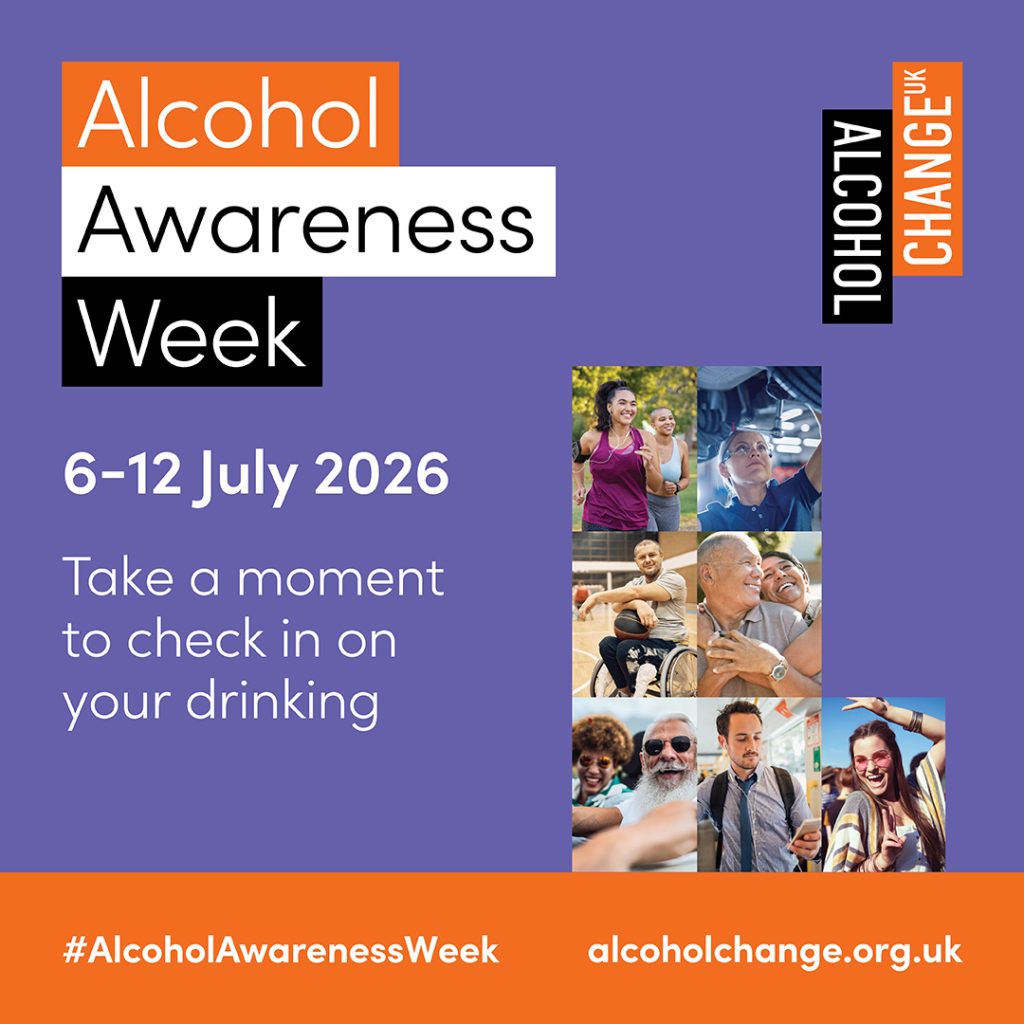
Alcohol Awareness Week takes place this week: 6–12 July 2026, run by the charity Alcohol Change UK. This year’s theme is “Alcohol and me”, encouraging people to pause and honestly consider how alcohol fits into their day-to-day lives, from sleep and energy to relationships and work.
For SMEs, this week is a useful prompt to think about something that’s easy to overlook when you’re busy running a business: how alcohol might be affecting your team, and whether your organisation is set up to support people well.
Why this matters for employers, not just individuals
Alcohol Awareness Week isn’t only about personal habits: it has real implications in the workplace. Alcohol can quietly affect sleep, energy, concentration and mood, all of which show up at work as reduced productivity, more sick days, or performance issues that seem to come from nowhere.
A recent poll commissioned around this year’s campaign found that most people would rather turn to a healthcare professional or someone close to them if they had concerns about their drinking, while only a small minority said they’d turn to AI tools first. Worryingly, one in ten said they wouldn’t turn to anyone at all. That’s a striking reminder that employees experiencing concerns about their own drinking, or worried about a colleague’s, may simply stay silent, unless the workplace makes it clear that support is genuinely available.
For SME employers without a dedicated HR team, this can feel like unfamiliar territory. But you don’t need to be an expert in addiction to create an environment where people feel able to ask for help.
Spotting the signs (without jumping to conclusions)
It’s important to approach this sensitively. You’re not diagnosing anyone, and there are lots of reasons an employee might seem “off.” But some patterns worth noticing as a manager include:
- Increased absenteeism, particularly on Mondays or after social events
- Noticeable changes in performance, concentration or reliability
- Changes in mood, irritability or withdrawal from colleagues
- Smelling of alcohol, or appearing unwell in ways that don’t match a normal illness
None of these on their own confirm a problem. The goal isn’t to police your staff, it’s to notice when someone might benefit from a private, non-judgemental conversation.
How to start the conversation
If you’re concerned about an employee, a few principles go a long way:
- Have the conversation privately: never raise concerns in front of colleagues.
- Lead with concern, not accusation: something like “I’ve noticed you don’t seem yourself lately, is everything okay?” opens the door without putting someone on the defensive.
- Signpost support rather than trying to fix it yourself: this might be an Employee Assistance Programme (EAP) if you have one, their GP, or a service like Alcohol Change UK’s free tools and advice hub.
- Follow up: a single conversation rarely resolves things. Checking in afterwards shows the offer of support was genuine.
If performance or conduct issues do need to be addressed formally, this should run alongside, not instead of, an offer of support, and always in line with your disciplinary and capability procedures.
Building this into your HR policies
Alcohol Awareness Week is a good trigger point to check whether your policies actually reflect good practice:
- Do you have a clear alcohol and substance misuse policy? Even a simple policy helps set expectations and shows employees what support looks like if they need it.
- Is your EAP (if you have one) actually promoted? Many SMEs offer an EAP that barely gets used because staff don’t know it exists or have forgotten what it covers.
- Are managers confident having these conversations? A short briefing or toolkit for line managers can make a big difference, especially in smaller businesses where managers wear multiple hats.
- Does your sickness absence policy allow for compassionate, consistent handling of absences that may be linked to alcohol, without automatically escalating to disciplinary action?
A simple starting point this week
You don’t need a major policy overhaul to mark Alcohol Awareness Week meaningfully. Consider:
- Sharing a short, supportive message with staff about the campaign and where they can go for confidential support
- Reminding the team about your EAP or wellbeing resources
- Using it as a prompt to review (or create) your alcohol policy
- Encouraging managers to have an open-door approach, without making anyone feel singled out
Small, consistent signals that your business takes wellbeing seriously tend to matter more than a single big gesture, but a themed week like this is a great excuse to start.
Need help on where to start?
If you’d like support reviewing your alcohol or wellbeing policies, or building manager confidence around difficult conversations, we are here to help.
Lisa & the HR Partner Team
Contact us here, or email: hrhelp@hrpartner.co.uk