
June 2026 is Pride Month. If you’re a business leader or HR professional, you might be asking: what does this mean for us?
The honest answer is: more than it ever has.
At HR Partner, we work with SMEs across the UK to build workplaces where every employee can perform at their best. And the evidence is clear: that is simply not possible unless your LGBTQ+ employees feel genuinely safe, seen, and supported.
This year, we want to go beyond the rainbow flag on your social media profile. Here’s why Pride Month 2026 matters, what the data tells us about the LGBTQ+ experience at work, and- most importantly- what you can do that makes a real difference.
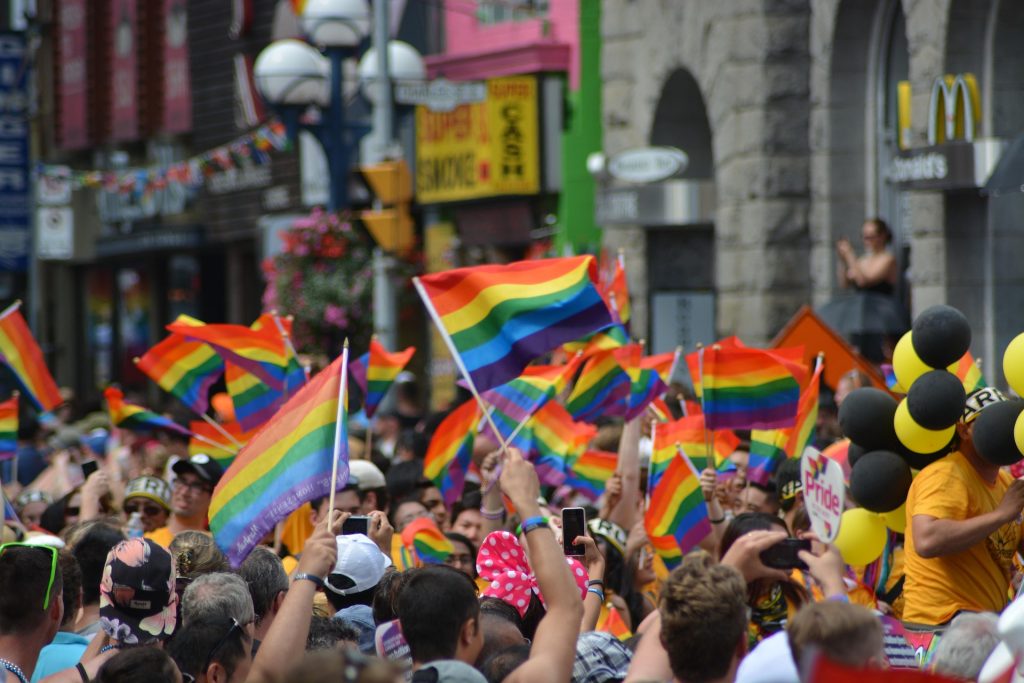
What is Pride, and where did it come from?
Pride traces its roots to 1969, when patrons of the Stonewall Inn in New York City resisted police harassment, igniting protests that became the foundation of the modern LGBTQ+ rights movement. The first Pride march followed the year after, both a protest and a party, and what started as a courageous act of visibility has since grown into a global movement.
Today, more than 270 Pride events are taking place across the UK in 2026 alone. It is no longer a niche moment- it is a mainstream cultural and civic event with deep roots in the fight for equality.
But Pride has never just been about parties and parades.
Why Pride Month is still urgently needed in 2026
Some people ask whether Pride is still necessary. The data answers that question clearly.
The mental health gap is real and significant. According to Mind, 70% of LGBTQ+ people report symptoms of anxiety, and 63% report having depression. Being LGBTQ+ doesn’t cause mental health problems, but the discrimination, stigma, and isolation that LGBTQ+ people face disproportionately does.
Healthcare discrimination remains a barrier. One in eight LGBTQ+ people have experienced some form of unequal treatment from healthcare staff, and one in seven have avoided seeking treatment altogether out of fear of discrimination.
The workplace is still not safe for many. Stonewall research finds that two in five (39%) of LGBTQ+ employees still feel the need to hide the fact they are LGBTQ+ at work. More than a third of employees (36%) have heard discriminatory comments made about an LGBTQ+ colleague — meaning this is not a hidden problem, it is a visible one that colleagues witness and too rarely challenge. And it doesn’t stop at the office door: more than one in four LGBTQ+ people (26%) have experienced negative comments or conduct from customers or clients because of their identity. Think about that: more than one in three of your LGBTQ+ colleagues may be performing every single day. Not just their job, but their identity.
Stonewall’s 2026 Pride hub puts it plainly: “This year, Pride feels more urgent than ever… Trans people and their allies are increasingly worried about their rights, freedoms and protections.” The hard-won rights of LGBTQ+ people feel more fragile globally than they have for years, and the UK is not immune to that pressure.
Pride, in 2026, is not a celebration of a battle won. It is a reminder that the battle continues. Employers have both a legal obligation and a moral responsibility to be part of the solution.
How can LGBTQ+ inclusion help businesses?
Beyond the moral argument, which should be sufficient on its own, there is a compelling business case for creating genuinely inclusive workplaces.
Retention and performance. Employees who feel they cannot be themselves at work are less engaged, less productive, and more likely to leave. With hiring costs continuing to rise, the cost of a toxic or exclusionary culture is measurable and significant.
Innovation and decision-making. Inclusive workplaces are not only fairer, they perform better. Diverse teams bring broader perspectives and sharper thinking: research shows that diverse teams are 87% more likely to make better decisions, and organisations with above-average diversity generate 45% of their revenue from innovation. LGBTQ+ inclusion is not a nice-to-have; it is a driver of business performance.
Talent attraction. Younger workers in particular actively research a company’s inclusion record before accepting a role. Being known as a genuinely inclusive employer, not just one that posts a rainbow logo in June, is a competitive advantage.
Legal compliance. Under the Equality Act 2010, sexual orientation and gender reassignment are protected characteristics. Discrimination, harassment, and failure to make reasonable adjustments are not just moral failures, they carry serious legal risk.
Team culture. When any group of employees feels excluded or unsafe, it affects the entire team’s psychological safety, not just those directly targeted.
What SMEs can actually do: a practical guide
There is a meaningful difference between performative allyship and structural inclusion. Here’s how to make sure your business falls into the latter category.
1. Review your policies- not just in June
Start with the foundations. Do your contracts, handbooks, and HR policies explicitly cover LGBTQ+ employees? Key areas to review include:
- Gender-neutral language throughout all documentation
- Parental leave policies that equally cover same-sex couples and trans parents
- Transitioning at work policy: a clear, compassionate guide for employees who are transitioning, and for their colleagues
- Harassment and discrimination policies that explicitly name sexual orientation and gender identity
- Flexible working provisions that recognise the unique pressures LGBTQ+ employees may face
At HR Partner Ltd, we regularly review and update policies for our clients. If you’re not sure whether yours are fit for purpose, get in touch with our team.
2. Train your managers
Policies only work if managers know how to apply them. LGBTQ+ inclusion training for line managers is one of the highest-impact investments a business can make. It should cover:
- Using correct pronouns and inclusive language
- Responding appropriately if an employee comes out or discloses they are transitioning
- Recognising and addressing subtle discrimination and microaggressions
- Understanding mental health and the specific pressures LGBTQ+ employees face
Stonewall offers excellent workplace training for organisations wanting to go further.
3. Build genuine psychological safety
The statistic that more than a third of LGBTQ+ employees hide their identity at work is not just a wellbeing concern, it is an indicator of how safe people genuinely feel in your organisation. Structural safety comes from:
- Visible senior sponsorship. Leaders who publicly support LGBTQ+ inclusion send a clear signal to the whole organisation.
- Employee networks. LGBTQ+ employee resource groups give staff a space to connect and give leadership honest feedback.
- Anonymous reporting mechanisms. Make it easy for employees to report discrimination without fear of reprisal.
- Regular inclusion surveys. Ask your employees (anonymously) how included they feel.
4. Support mental health year-round
Given that 70% of LGBTQ+ people experience anxiety and 63% experience depression, your Employee Assistance Programme (EAP) and mental health support provisions need to be genuinely accessible and LGBTQ+-affirming.
Consider:
- Ensuring your EAP provider has counsellors experienced in LGBTQ+ issues
- Signposting resources such as Mind’s LGBTQIA+ support and Rainbow Mind
- Training mental health first aiders to be confident supporting LGBTQ+ colleagues
- Hosting a Pride wellbeing session during June and making sure the conversation doesn’t stop in July
5. Be an authentic ally, not just in June
Mind makes an important point: “It’s important we show authentic support — not just visibility — and emphasise our year-round commitment.”
Authentic allyship looks like:
- Maintaining LGBTQ+-inclusive policies 365 days a year, not just updating your logo in June
- Taking a public stance when LGBTQ+ rights are threatened, locally or nationally
- Inviting LGBTQ+ employees to share their stories if they wish, and making sure those stories are actually heard and acted upon
- Reviewing your suppliers and partners: does your supply chain share your values?
6. Consider formal accreditation
If you want to demonstrate your commitment externally, Stonewall’s Proud Employers Accreditation is a recognised mark of genuine LGBTQ+ inclusion. It signals to candidates, clients, and employees alike that your commitment is real.
A note on the bigger picture
Stonewall’s 2026 Pride theme is Moving Forward with Pride: “celebrating progress while recognising the work still ahead.”
Progress has been made. Same-sex marriage has been legal in England and Wales since 2014. Workplace protections have improved. Visibility has increased. These are real gains, hard-won by the people who marched at those first Prides in the 1970s.
But progress is not permanent. Rights that are not actively protected can be eroded. And inside workplaces specifically, culture does not change by itself, it changes because people in leadership make deliberate decisions to create something better.
This Pride Month, we’d encourage every employer we work with to go beyond the symbolic and commit to the structural. Not because it’s June, but because every one of your LGBTQ+ employees deserves to come to work and simply be themselves.
How HR Partner can help
Whether you need a full policy review, manager training, or simply a conversation about where to start, the team at HR Partner is here to help. We work with businesses across the UK to build workplaces that work for everyone.
Lisa & the HR Partner Team
Contact us here, or email: hrhelp@hrpartner.co.uk

Sources: Mind Pride Month Pack 2026; Stonewall Pride 2026; Stonewall LGBT in Britain: Health (2018, 2021); Stonewall workplace inclusion research; The Trevor Project (2024); Cloverpop inclusive decision-making research; BCG diversity and innovation study.